

How Cows Are Fed: Understanding Dairy Farming and Colostrum Quality
Adapted from an original article by Dr. Anthony Kleinsmith, published February 21, 2016.
Introduction: Why Dairy Cow Feeding Practices Matter
How dairy cows are fed and managed can influence their health, milk production, and the quality of the colostrum they produce.
Dairy farms use different management systems depending on their location, climate, resources, and production requirements. Two common approaches are pasture-based grazing and housed or dry-lot feeding systems.
Understanding these differences helps explain how dairy cows develop immunity, how antibodies are transferred into colostrum, and why effective herd management is important.
How Cows Develop Antibodies
A cow's immune system develops antibodies in response to microorganisms and other foreign substances encountered throughout its lifetime.
During pregnancy, certain antibodies circulating in the cow's bloodstream are transferred into the developing colostrum. This first milk provides important immune protection to newborn calves.
Antibody development is influenced by several factors, including:
-
Vaccination: Vaccines stimulate immune responses against specific infectious diseases.
-
Natural environmental exposure: Cows encounter microorganisms through their surroundings and contact with other animals.
-
Herd interactions: Contact with other cattle can expose cows to different microorganisms.
-
Farm equipment and handling: Everyday farm activities can introduce additional environmental microorganisms.
These experiences contribute to the range of antibodies a cow may produce.
Pasture-based dairy farming allows cows to graze naturally on grass and other suitable vegetation.
Some colostrum producers promote pasture-fed cows on the basis that exposure to natural environments may contribute to antibody diversity.
However, the relationship between grazing and antibody diversity is more complex than feeding practices alone.
Healthy pasture soil and grasses contain many naturally occurring microorganisms. Most are harmless, although potentially harmful pathogens can also be introduced through animal waste, contaminated water, wildlife, or other environmental sources.
The important distinction: A pasture-fed diet does not automatically guarantee greater antibody diversity or superior colostrum quality.
The cow's immune history, vaccination program, general health, and colostrum collection practices are also important considerations.
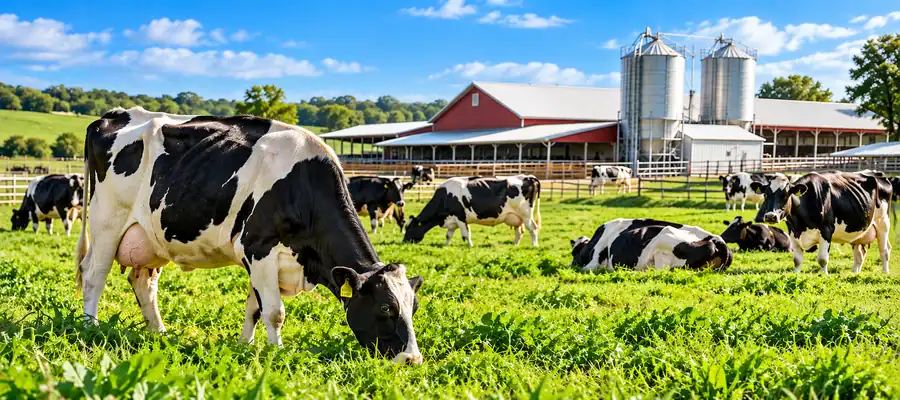
Pasture-fed dairy cows encounter a variety of environmental microorganisms while grazing. These exposures, together with vaccination, nutrition and herd health, can influence antibody development and the immune components eventually present in bovine colostrum.
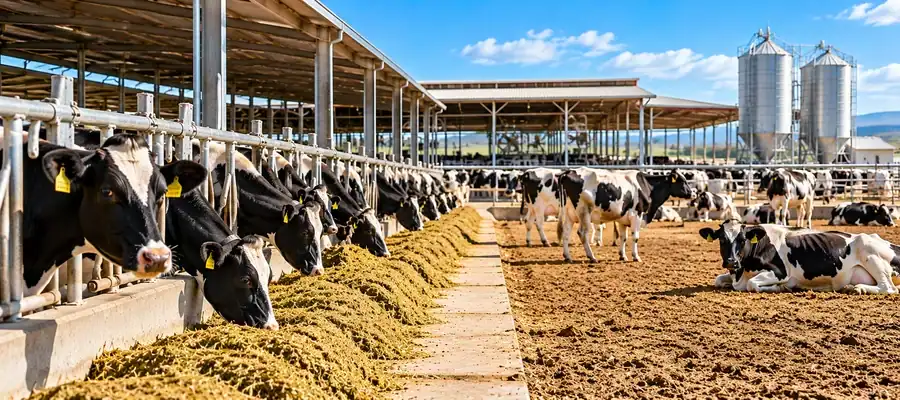
Understanding Dry-Lot Dairy Farming
Dry-lot dairy farming is a management approach in which cows are housed or maintained in designated areas rather than relying primarily on pasture grazing.
These environments may include open-air enclosures, covered feeding facilities, or purpose-built dairy barns.
Cows receive carefully formulated feed designed to provide the nutrients required for their health, growth, reproduction, and milk production.
This approach allows dairy farmers to monitor feed intake and manage different groups of animals according to their nutritional and production needs.
Dry-lot systems can also make it easier to identify cows requiring veterinary attention and to manage feeding and milking schedules.
Dry-lot dairy farming is a managed feeding system commonly used on American dairy farms. Rather than relying primarily on pasture grazing, cows receive carefully formulated diets in designated feeding areas. This approach allows farmers to monitor nutrition, maintain consistent feeding schedules and manage herd health. Effective hygiene, animal welfare and veterinary care remain essential for supporting healthy dairy cows and quality milk production.
Benefits of Controlled Dairy Herd Management
Well-managed dairy facilities can provide several practical advantages.
1. Nutritional consistency
Farmers can formulate balanced diets to meet the nutritional requirements of different groups of cattle.
2. Health monitoring
Regular observation helps farmers identify animals showing early signs of illness or changes in behaviour.
3. Hygiene management
Designated feeding and housing areas can be cleaned regularly to help reduce contamination and manage disease risks.
4. Milk production management
Controlled feeding and milking schedules support consistent farm operations and help farmers monitor milk quality.
5. Newborn calf care
Supervised calving and colostrum feeding programs can help ensure newborn calves receive an adequate quantity of good-quality colostrum promptly after birth.
However, the success of these systems depends on good ventilation, appropriate space, comfortable resting areas, hygiene, and animal welfare practices.
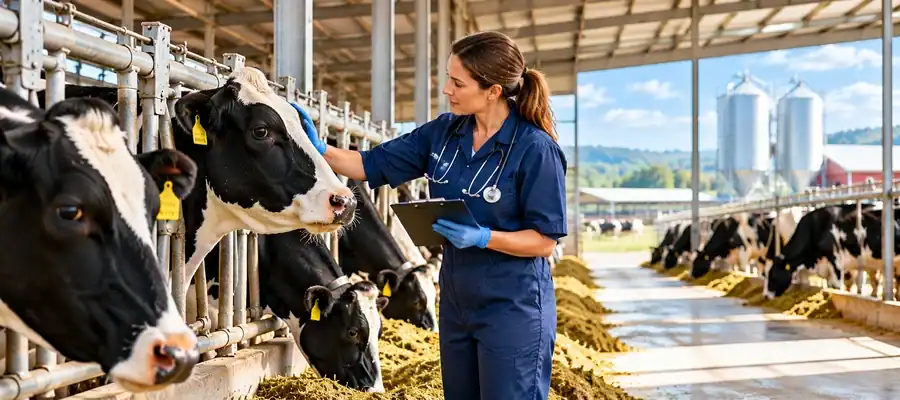
Effective dairy herd management plays an important role in maintaining healthy cattle and supporting consistent milk production. Modern American dairy farms use controlled feeding programs, regular veterinary care and organised housing facilities to monitor animal health and nutrition. These management practices help farmers identify potential health concerns early, maintain hygiene standards and provide appropriate care for dairy cows throughout their productive lives.
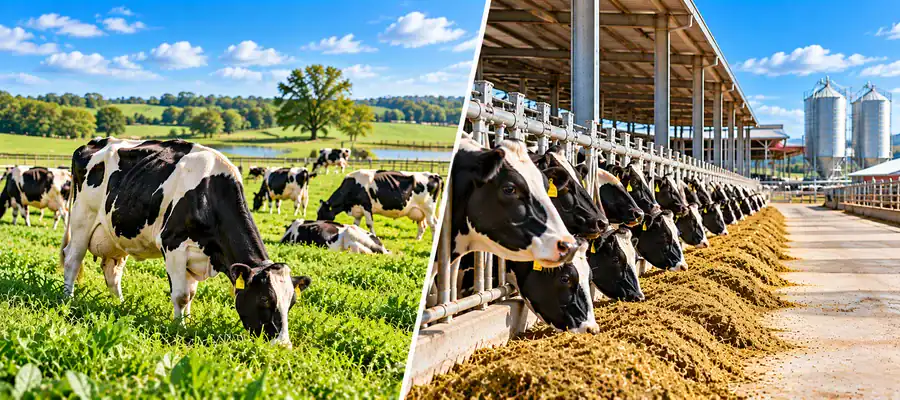
Comparing Pasture-Based and Dry-Lot Dairy Farming
Both farming systems have advantages and challenges. Neither approach should be judged on feeding practices alone.
Pasture-based farming
Cows graze on natural pasture
Seasonal pasture availability can affect nutrition
Provides opportunities for natural grazing behaviour
Environmental exposure varies with conditions
Milk production can vary with seasonal feed supply
Dry-lot or housed farming
Cows receive formulated feed
Feed composition can be controlled more consistently
Allows closer monitoring of individual animals
Housing hygiene requires active management
Production can be managed through feeding programs
Pasture-based and dry-lot dairy farming represent two different approaches to feeding and managing dairy cattle. Pasture-fed cows obtain much of their nutrition through grazing, while dry-lot systems rely on prepared diets delivered in designated feeding areas. Each method offers advantages depending on climate, farm resources and herd management practices. Understanding these differences helps explain how feeding systems can influence dairy cow health, milk production and the management of bovine colostrum quality.
Historical Milk Production in New Zealand and the United States
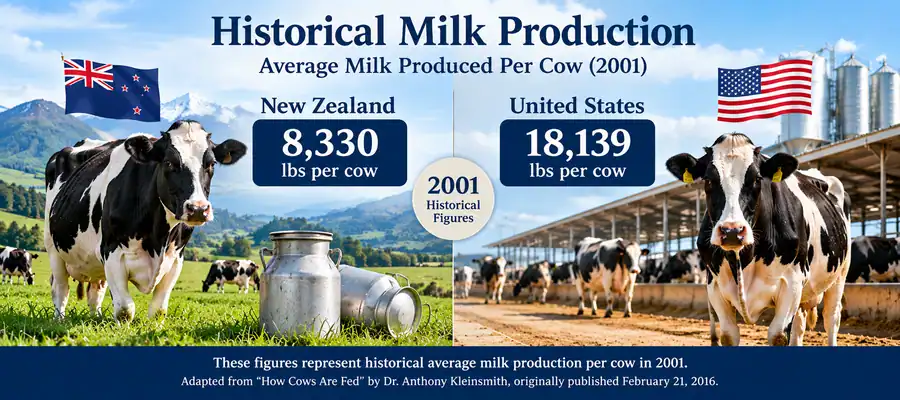
In his original 2016 article, Dr. Kleinsmith referred to historical milk production figures for 2001 to illustrate differences between dairy farming systems.
These figures suggest a substantial difference in reported milk output per cow during that period.
However, milk yield alone does not establish that one farming system produces healthier cows, better colostrum, or greater antibody diversity.
Differences in breed, climate, nutrition, lactation management, and farming practices can all affect production.
Historical dairy production figures provide an interesting comparison between farming practices in New Zealand and the United States. In his original article, Dr. Anthony Kleinsmith referenced milk production statistics from 2001, reporting an average of 8,330 pounds per cow in New Zealand compared with 18,139 pounds in the United States. While these figures illustrate differences in reported milk yields, production levels are influenced by numerous factors, including cattle breeds, nutrition, climate and herd management. Higher milk production does not necessarily indicate better colostrum quality or greater antibody diversity.
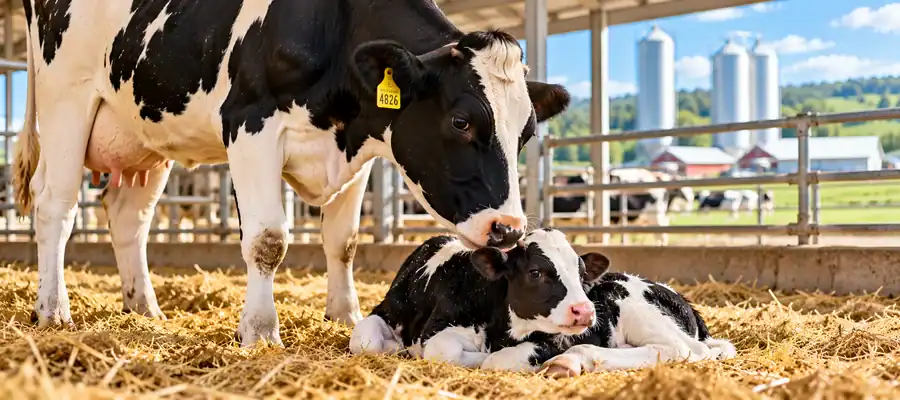
The image of a mother cow caring for her newborn calf provides a natural conclusion to the article. It connects dairy farming practices with the biological importance of colostrum and the care required to support newborn animals.
What Does This Mean for Colostrum Quality?
Colostrum is the first milk produced by a cow following the birth of her calf. It contains concentrated nutrients, antibodies and other biologically active components that help support the newborn calf during its earliest stages of life.
Unlike humans, calves receive very little maternal antibody protection before birth. They depend on consuming sufficient high-quality colostrum soon after delivery to obtain essential immune protection.
The quality of bovine colostrum depends on several important factors, including the cow's immune history, nutrition, general health and the timing of colostrum collection.
Important factors influencing colostrum quality include:
-
Maternal health: Healthy cows are better positioned to produce quality colostrum.
-
Antibody development: Vaccination and environmental exposure influence the antibodies produced by the cow.
-
Balanced nutrition: Appropriate feeding supports the cow's health during pregnancy.
-
Collection timing: Colostrum composition changes rapidly following birth, making early collection important.
-
Hygienic handling: Proper collection, processing and storage help preserve quality and minimise contamination.
Whether cows are pasture-fed or managed in dry-lot systems, responsible herd management remains essential.
Bovine colostrum is the first milk produced by a dairy cow following the birth of her calf. Rich in immunoglobulins, nutrients and other biologically active components, colostrum plays an essential role in supporting newborn calf health. Its quality depends on several factors, including the mother's immune history, nutrition, general health and the timing of collection. Understanding these influences helps explain why responsible dairy farming practices are important for producing high-quality bovine colostrum.
Healthy dairy cows, balanced nutrition and responsible herd management all contribute to the production of quality bovine colostrum. Understanding these factors helps explain why colostrum quality depends on more than whether cows graze on pasture or receive prepared feed. Ultimately, animal health, immune development and careful colostrum collection are central to producing a reliable, high-quality product.
Original author acknowledgment: Adapted from How Cows Are Fed by Dr. Anthony Kleinsmith, originally published February 21, 2016.